Galileo Campus
BIS Road, Behind AP Fisheries, Poranki, VijayawadaEarly Years Village Campus
Municipal Employees Colony, Acharya Ranga Nagar, Benz Circle, Vijayawada
Galileo Campus
BIS Road, Behind AP Fisheries, Poranki, VijayawadaEarly Years Village Campus
Municipal Employees Colony, Acharya Ranga Nagar, Benz Circle, Vijayawada
Bloomingdale International School is an International Baccalaureate (IB) World School offering the Primary Years Programme (PYP) and Middle Years Programme (MYP)
The Middle years Programme is designed for students between Grades VI (MYP 1) and Grade X (MYP 5). The student's intellectual and social development through inter-disciplinary learning is the focus of this programme.
The IB Middle Years Programme (MYP) builds on the structured, student-centred foundation laid in the Primary Years Programme (PYP). Its framework encourages students to make practical connections between their studies and the real World. Young people at this stage of their education require an engaging and holistic curriculum that is relevant to important real world issues, which is the main focus of the MYP.
Students learn best when their learning experiences have context and are connected to their lives and the world that they have experienced. Using global contexts, MYP students explore human identity, global challenges and what it means to be internationally minded.
Concepts are big ideas that have relevance within specific disciplines and across subject areas. MYP students use concepts as a vehicle to inquire into issues and ideas of personal, local and global significance and examine knowledge holistically.
A unifying thread throughout all MYP subject groups, approaches to learning provide the foundation for independent learning and encourage the application of their knowledge and skills in unfamiliar contexts. Developing and applying these skills help students learn how to learn.
Action (learning by doing and experiencing) and service have always been shared values of the IB community. Students take action when they apply what they are learning in the classroom and beyond. IB learners strive to be caring members of the community who demonstrate a commitment to service—making a positive difference to the lives of others and to the environment. Service as action is an integral part of the programme, especially in the MYP community project.
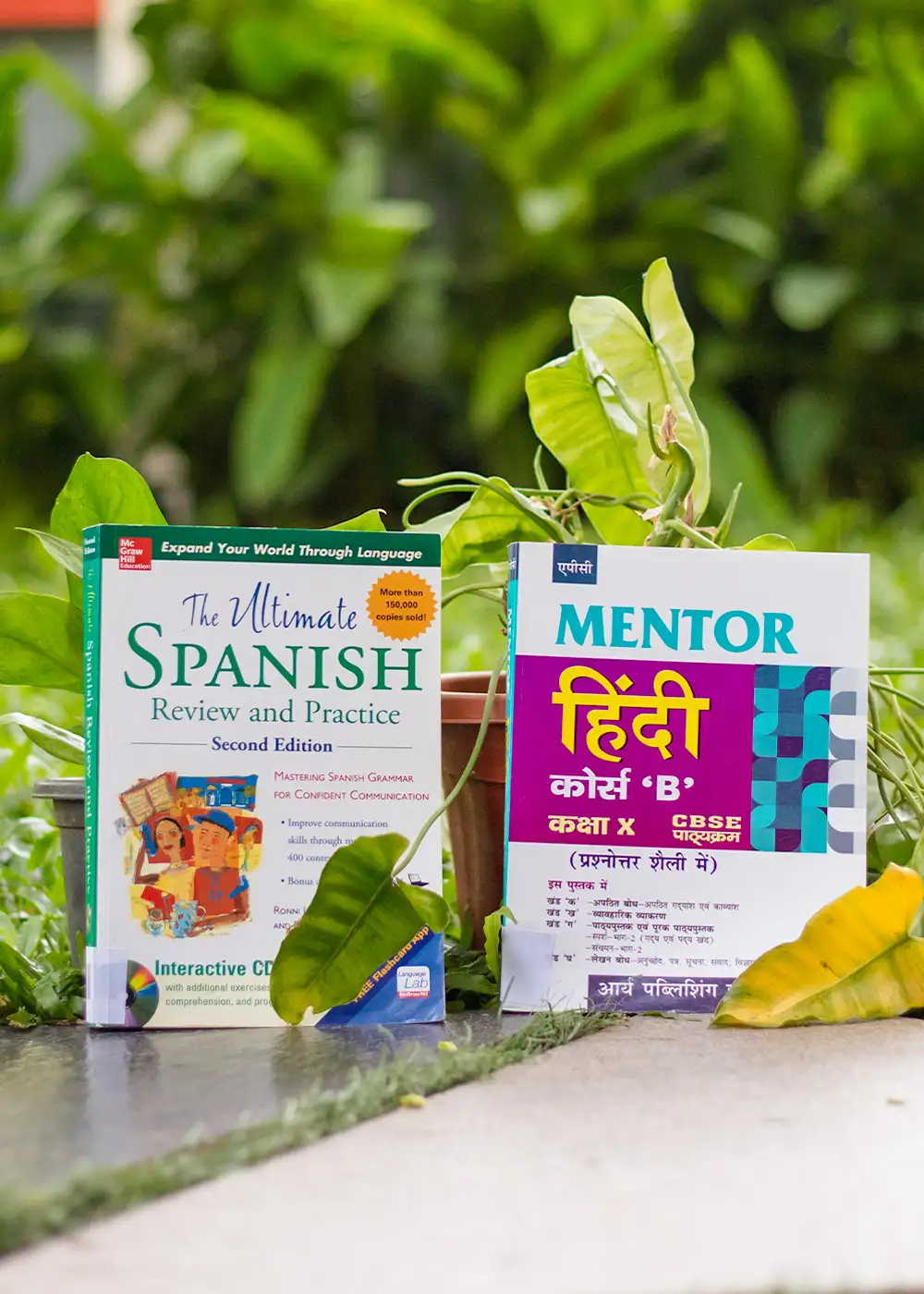
IB Middle Years Programme students are required to learn at least two languages (language of instruction and additional language of choice). Learning to communicate in a variety of ways is fundamental to their development of intercultural understanding and crucial to their identity affirmation.
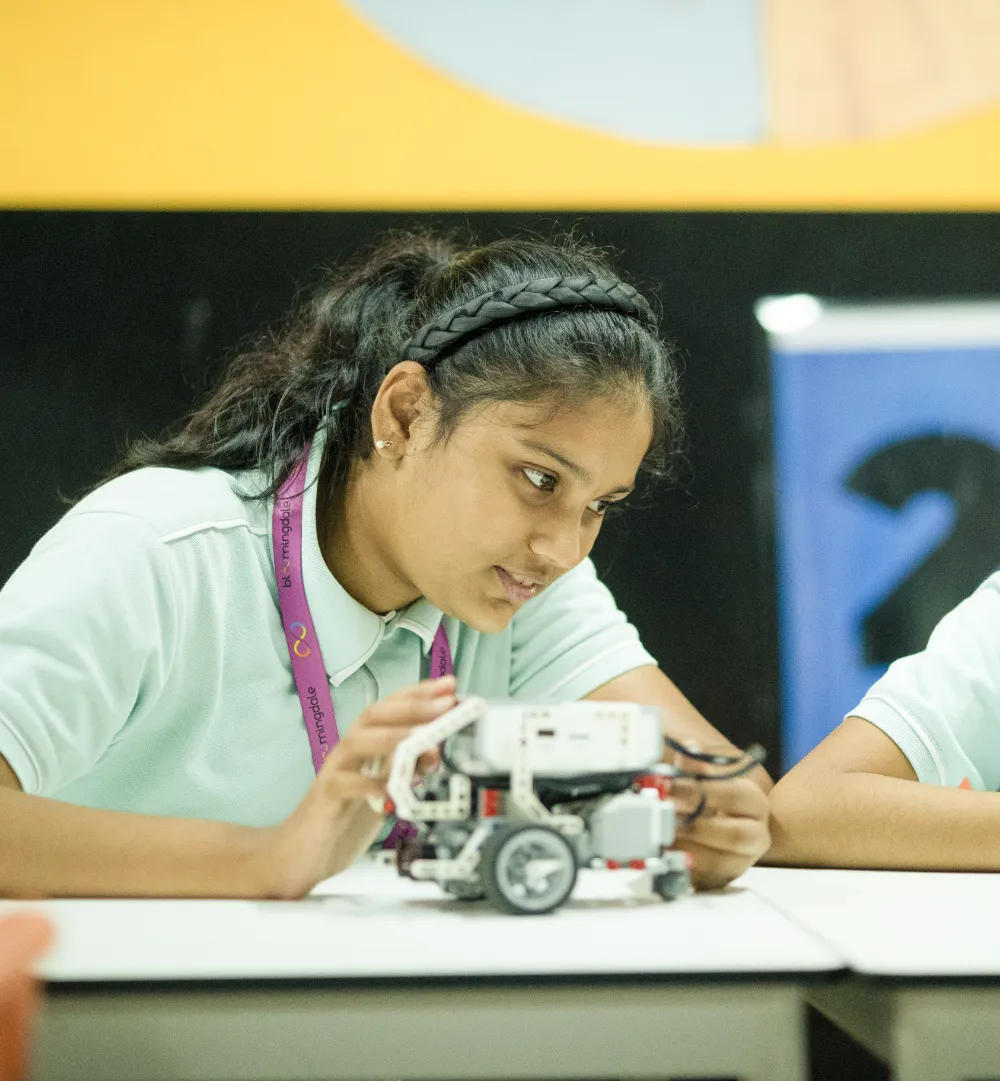
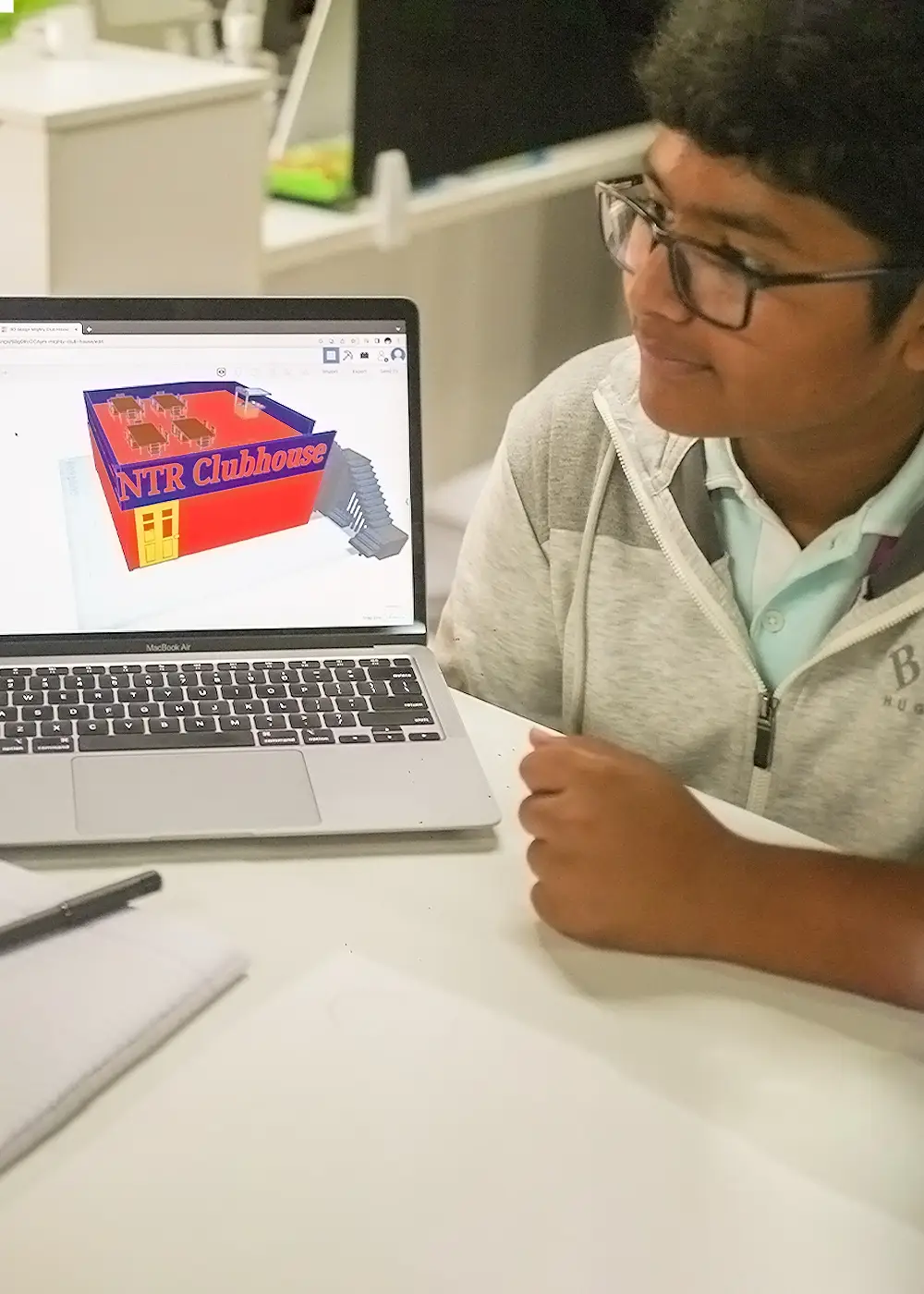

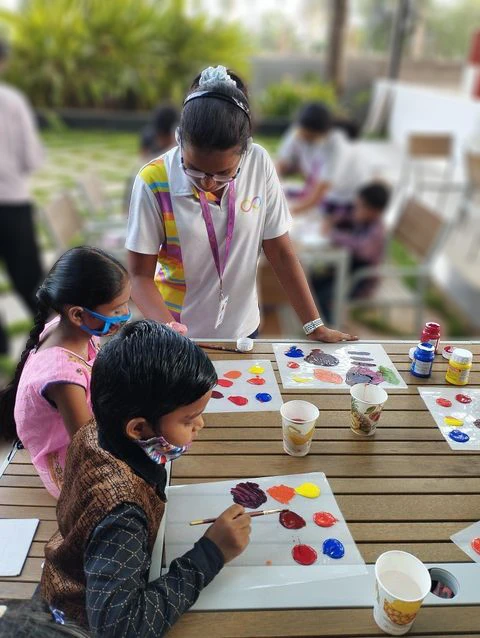
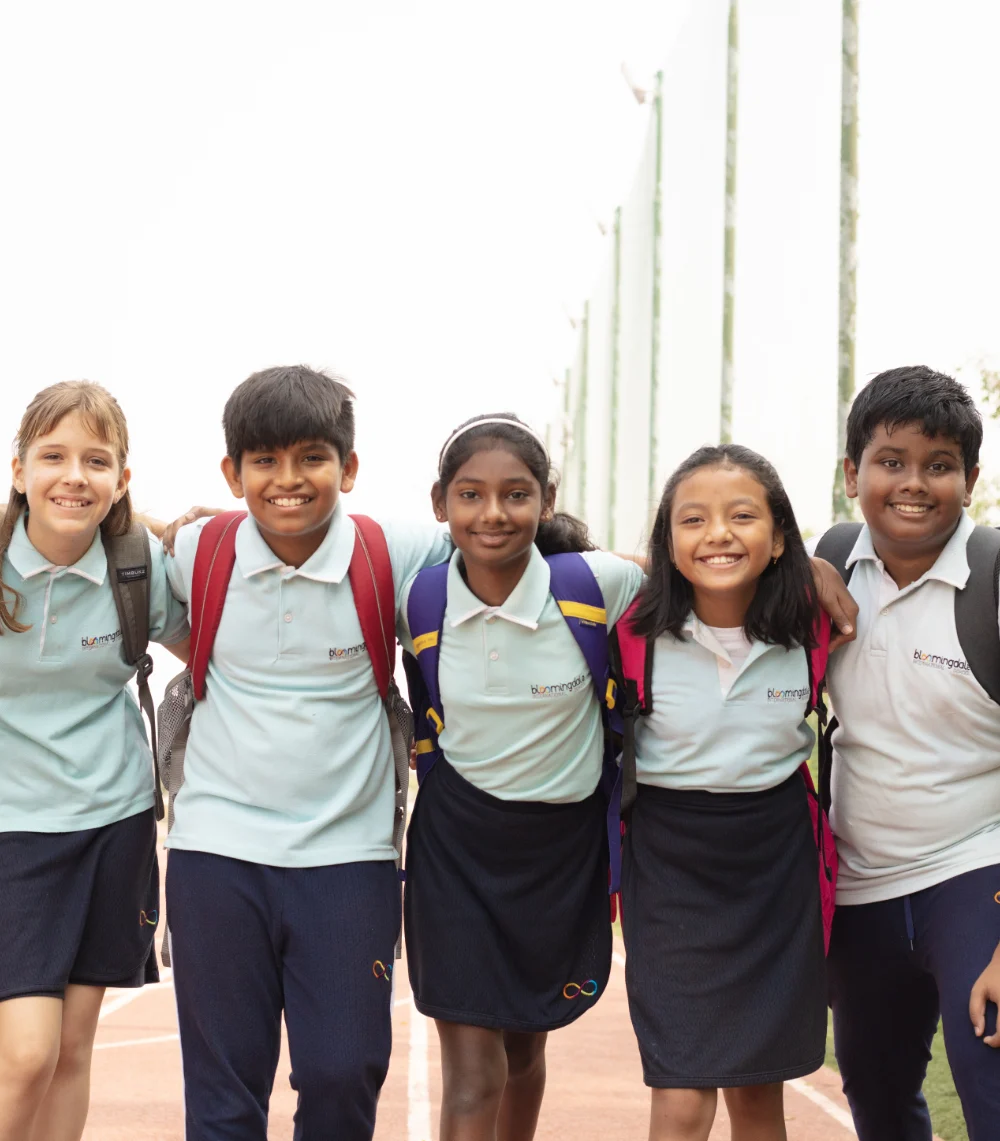
Research shows that students participating in the IB Middle Years Programme:
 Build confidence in managing their own learning.
Learn by doing, connecting the classroom to the larger world.
Outperform non-IB students in critical academic skills.
Consistently have greater success in IB Diploma Programme examinations.
Thrive in positive school cultures where they are engaged and motivated to excel.
Develop an understanding of global challenges and a commitment to act as responsible citizens.
The MYP was revised in September 2014 to provide a more rigorous and highly flexible framework that powerfully integrates with local educational requirements.
To find out more about the MYP, please visit www.ibo.org
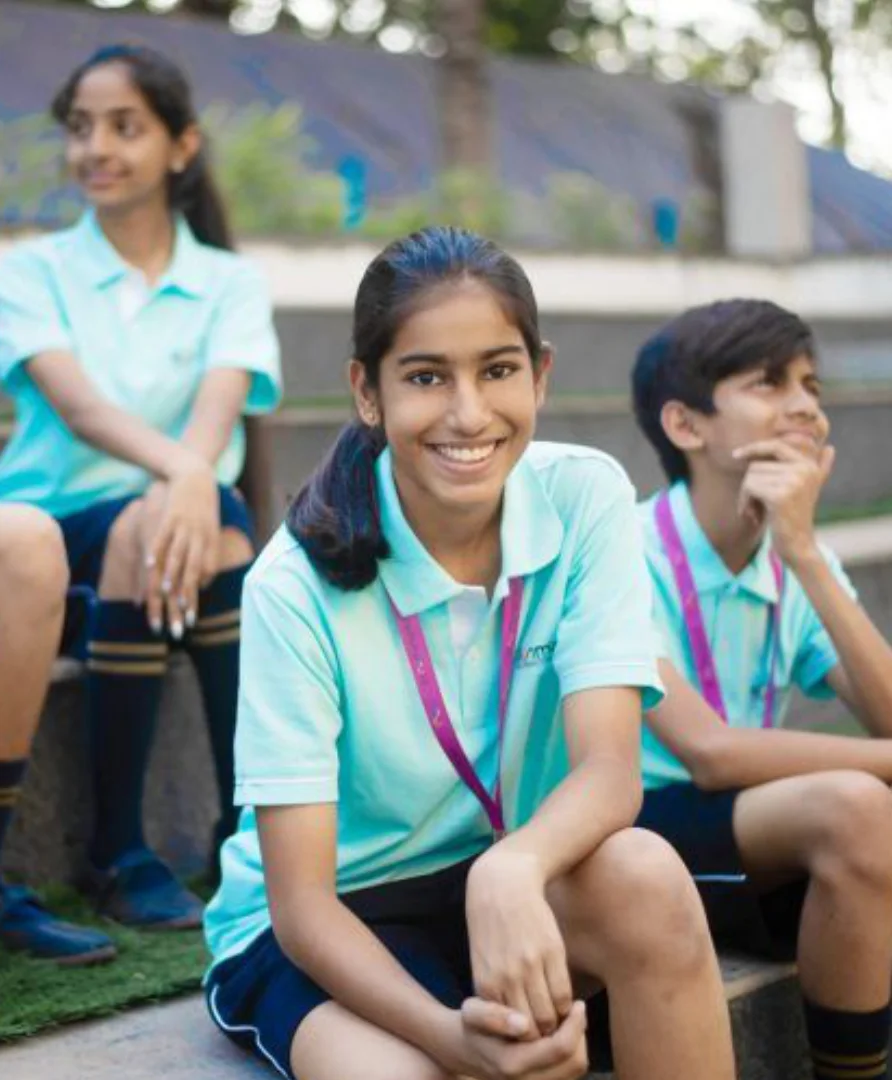
The Middle Years Programme (MYP) is a framework for teaching and learning, organized around teachers’ judgment of achievement against pre-published criteria. Formal recognition of achievement for MYP year 5 students is provided by the IB via eAssessment.
eAssessment consists of three component types that assess what students know and are able to do:
ePortfolios
of carefully defined coursework in arts, design and physical and health education, using a process of dynamic sampling to moderate results to a global standard.
On-screen examinations
(two hours in duration) for selected courses in language and literature, language acquisition, individuals and societies, sciences, mathematics, and interdisciplinary learning
Personal Project;
a student-centred and age-appropriate extended project in which students consolidate their learning throughout the programme. Submitting the Personal Project is a requirement of all students in the MYP.
I am Dr Vamsi krishna, a Laparoscopic surgeon. I joined my children in bloomingdale, in MYP 4 and MYP 1 this year. They switched over from CBSE to IB. I am happy with my decision. My children have become more confident, more expressive, stress free. They have a holistic thinking now, when it comes to studies, improved a lot in vocabulary and speaking english. Bloomingdale (IB curriculum) is way ahead, in terms of integrated teaching, developing presentation skills, language acquisition (Spanish) and sports. I have no second thought in recommending Bloomingdale International for parents who want to see their children as global citizens.


The IB PYP for students aged 3–12, building inquiry skills and a love of learning from an early age.
Explore Primary Years Programme →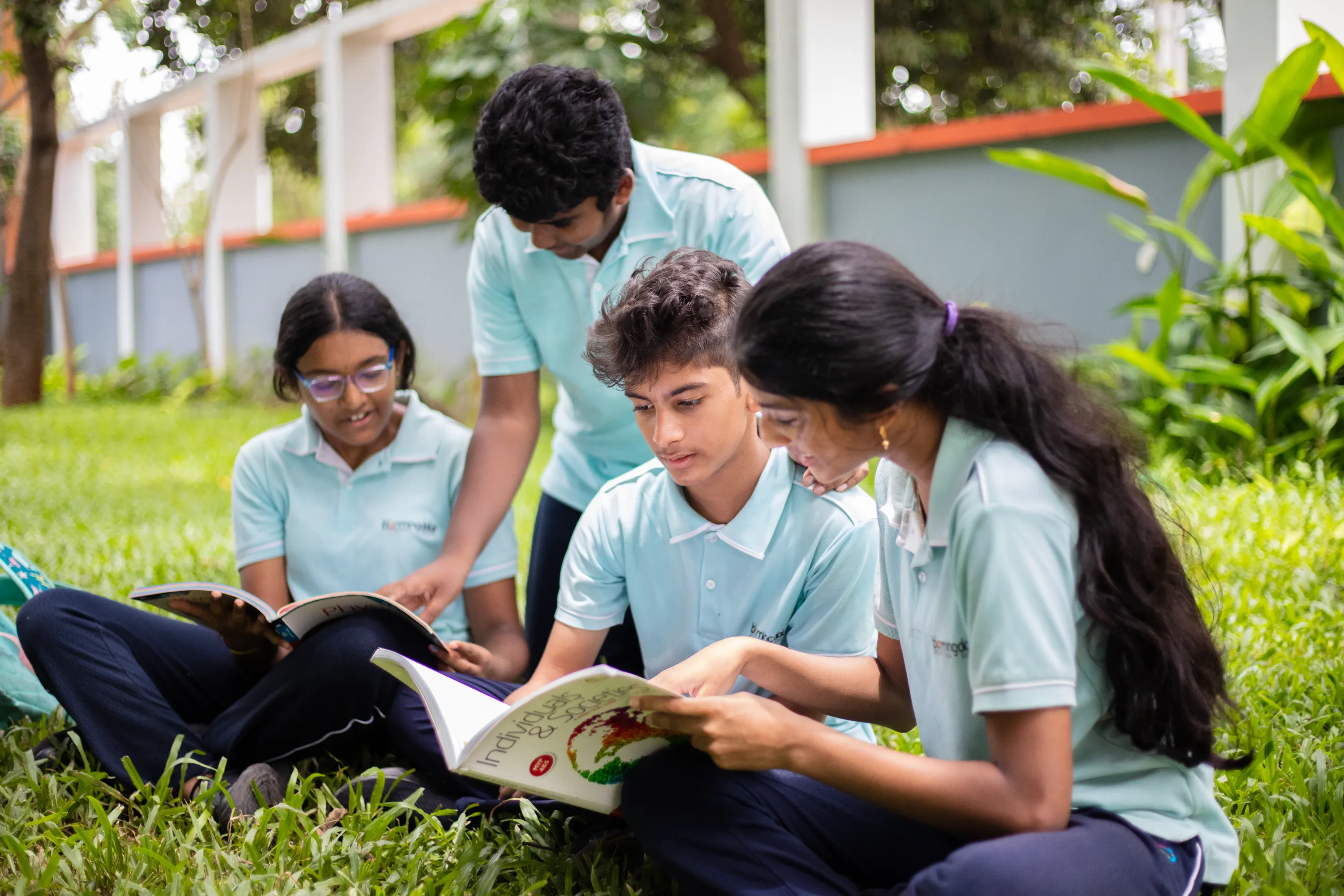
The globally recognised IB DP for Grades 11–12, preparing students for top universities worldwide.
Explore IB Diploma Programme →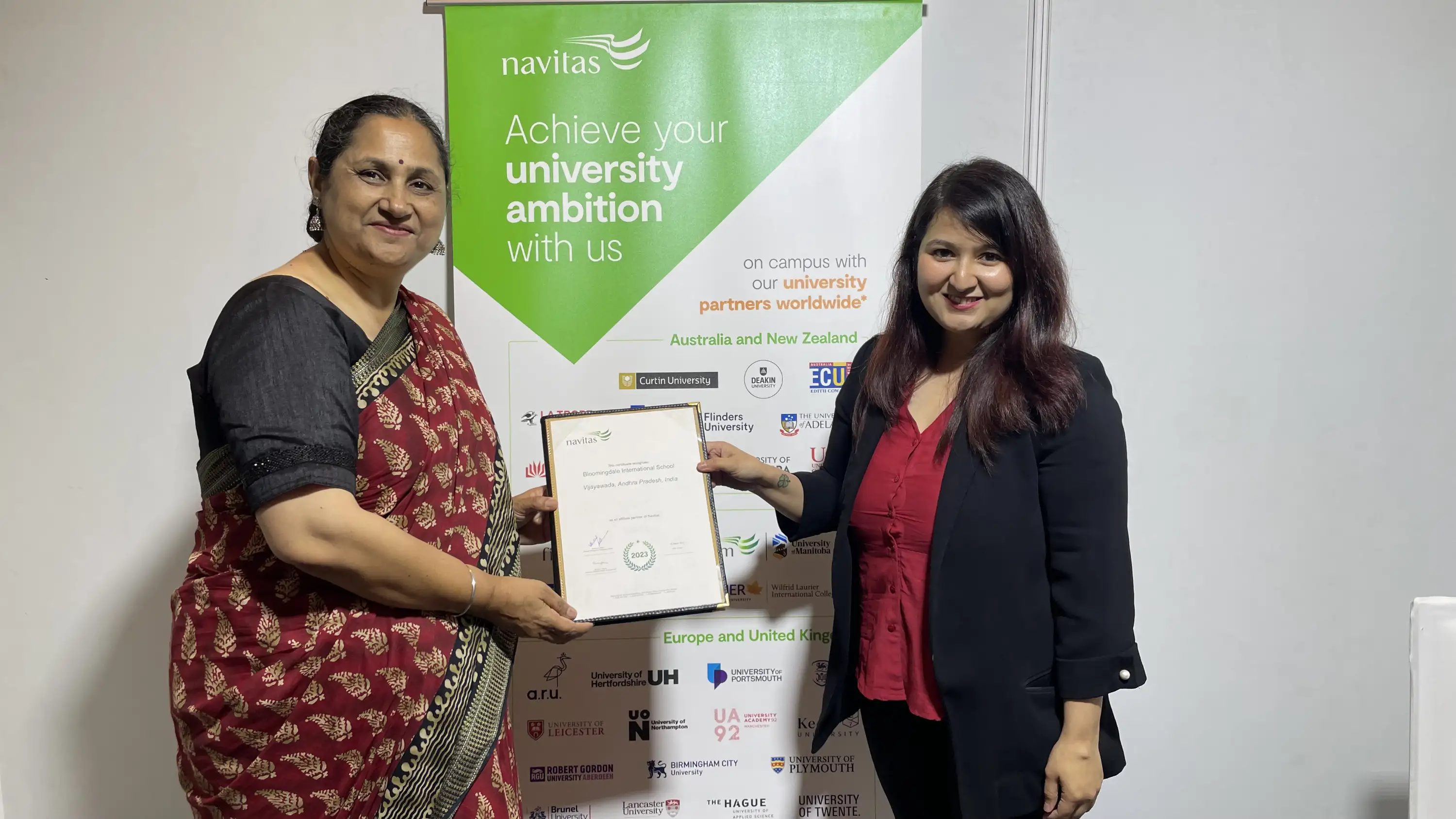
Expert guidance on university selection, PSAT/SAT preparation and college applications.
Explore College Counselling →Enter your child’s date of birth to discover the key steps and relevant information about how to join us
Contacting us is the first stage of the admission process. To make an initial enquiry,
please contact us by phone at +91 9525525525
or you can fill out our online enquiry form.
After your enquiry, we will send you an information package and advise you if you have any
questions about our school.
Everything parents and students want to know about the Middle Years Programme at BIS.
The IB Middle Years Programme at Bloomingdale covers Grades 6 through 10 (MYP 1 to MYP 5), designed for students aged 11 to 16. It bridges the Primary Years Programme (PYP) and the IB Diploma Programme (DP), providing a continuous and coherent learning pathway from primary school all the way through to pre-university education.
BIS MYP students consistently score above the global IB average. The world average MYP score is 39 out of 56. BIS students regularly score above 40, and in May 2025 achieved 42 out of 56. This reflects the depth of understanding, research capability, and independent thinking that students develop through BIS's inquiry-based approach — not through coaching or pressure, but through genuine learning.
MYP students at BIS study across 8 subject groups: Language and Literature (English), Language Acquisition (Hindi or Spanish), Individuals and Societies, Sciences, Mathematics, Arts, Physical and Health Education, and Design. Students are also required to study at least two languages throughout the programme. This breadth ensures a well-rounded academic experience while allowing depth within each discipline.
The Personal Project is a student-centred, extended independent project completed by all MYP Year 5 (Grade 10) students. It is one of the three components of the MYP eAssessment and is a requirement for all students. Students choose a topic of genuine personal interest, conduct research, create an outcome, and reflect on their process — demonstrating the skills and learning they have built across the entire MYP. It is a significant piece of work that strengthens university applications and develops real-world skills.
Formal recognition for MYP Year 5 students is provided by the IB through eAssessment, which has three components. First, ePortfolios of coursework in Arts, Design, and Physical and Health Education, moderated against a global standard. Second, on-screen examinations (two hours each) in Language and Literature, Language Acquisition, Individuals and Societies, Sciences, Mathematics, and Interdisciplinary Learning. Third, the Personal Project — an independent extended project that all students must complete. Together these assess both what students know and what they are able to do.
ATL skills are a core thread that runs through every MYP subject. They cover five skill categories: thinking, research, communication, social, and self-management skills. Rather than being a separate subject, ATL skills are explicitly taught and practised within every discipline. The purpose is to develop students who know how to learn independently — so they can apply their skills in unfamiliar contexts, at university, and throughout their careers. These are the skills that distinguish IB students in university admissions.
Service as Action is an integral part of the MYP at BIS, not an optional add-on. Students take action when they apply classroom learning to real community challenges. The MYP Community Project — completed in MYP Year 3 or 4 — requires students to plan and implement a genuine initiative that benefits a real community. This develops empathy, responsibility, and the ability to make a positive difference, which are values central to the IB mission.
Yes — the MYP is specifically designed as a pathway into the DP. The conceptual thinking, research skills, independent learning habits, and academic rigour developed in the MYP directly prepare students for the demands of the Diploma Programme. BIS MYP graduates who go on to the DP consistently perform strongly, and BIS DP students have achieved SAT scores of 1260+ and secured international scholarships exceeding USD 440,000 annually — a testament to the strong foundation the MYP builds.
Yes. A common misconception is that IB education is only for students planning to study abroad. In reality, over 51% of IB graduates in India pursue higher education within the country, and the IB is recognised by all major Indian universities. The critical thinking, research, and communication skills developed in the MYP prepare students for any academic pathway. BIS is also the only school in Andhra Pradesh with UCAS affiliation, giving students the option to apply directly to all UK universities if they choose.
MYP students at BIS have access to a wide range of co-curricular platforms. These include Model United Nations (MUN) for global issues and public speaking, Student Council for leadership, Robotics and Coding clubs for STEM innovation, Shark Tank for entrepreneurship, and Design Thinking projects. Sports clubs run from 3:40 PM to 4:30 PM for all students, with advanced performance clubs from 4:30 PM to 6:30 PM for those pursuing sports seriously. All activities are documented to build a credible profile for university admissions.