Galileo Campus
BIS Road, Behind AP Fisheries, Poranki, VijayawadaEarly Years Village Campus
Municipal Employees Colony, Acharya Ranga Nagar, Benz Circle, Vijayawada
Galileo Campus
BIS Road, Behind AP Fisheries, Poranki, VijayawadaEarly Years Village Campus
Municipal Employees Colony, Acharya Ranga Nagar, Benz Circle, Vijayawada
Grades 11 and 12 at Bloomingdale follow the most challenging and comprehensive curriculum - the international baccalaureate diploma programme (IBDP). The IB diploma is globally recognized as a highly valued university entry qualification.
As an IB World School, Bloomingdale International School (BIS) offers its students the opportunity to undertake the International Baccalaureate (IB) Diploma Programme (DP). This programme, one of the four offered by IBO, is a rigorous two year pre-university education programme, leading to examinations, for highly motivated students aged 16 to 19 years old. It is a very demanding undertaking and students must be prepared to put in sufficient effort and individual enterprise. While it is very academically challenging and rewarding, it is still possible for weaker students to attain the IB Diploma – provided they are determined to do so.
The DP is much more, however, than a series of academic subjects. Its unique additional features of Creativity, Activity, Service (CAS), Extended Essay (EE) and Theory of Knowledge (TOK) ensure that students are made aware of their community responsibilities, are encouraged to develop their research skills and become independent thinkers. The underlying philosophy is that students should share an academic experience that would emphasize critical thinking, intercultural understanding and exposure to a variety of points of view.
For more information on the DP, please visit the IB’s website, www.ibo.org, or contact the DP Coordinator
 English A: Language and Literature HL/SL
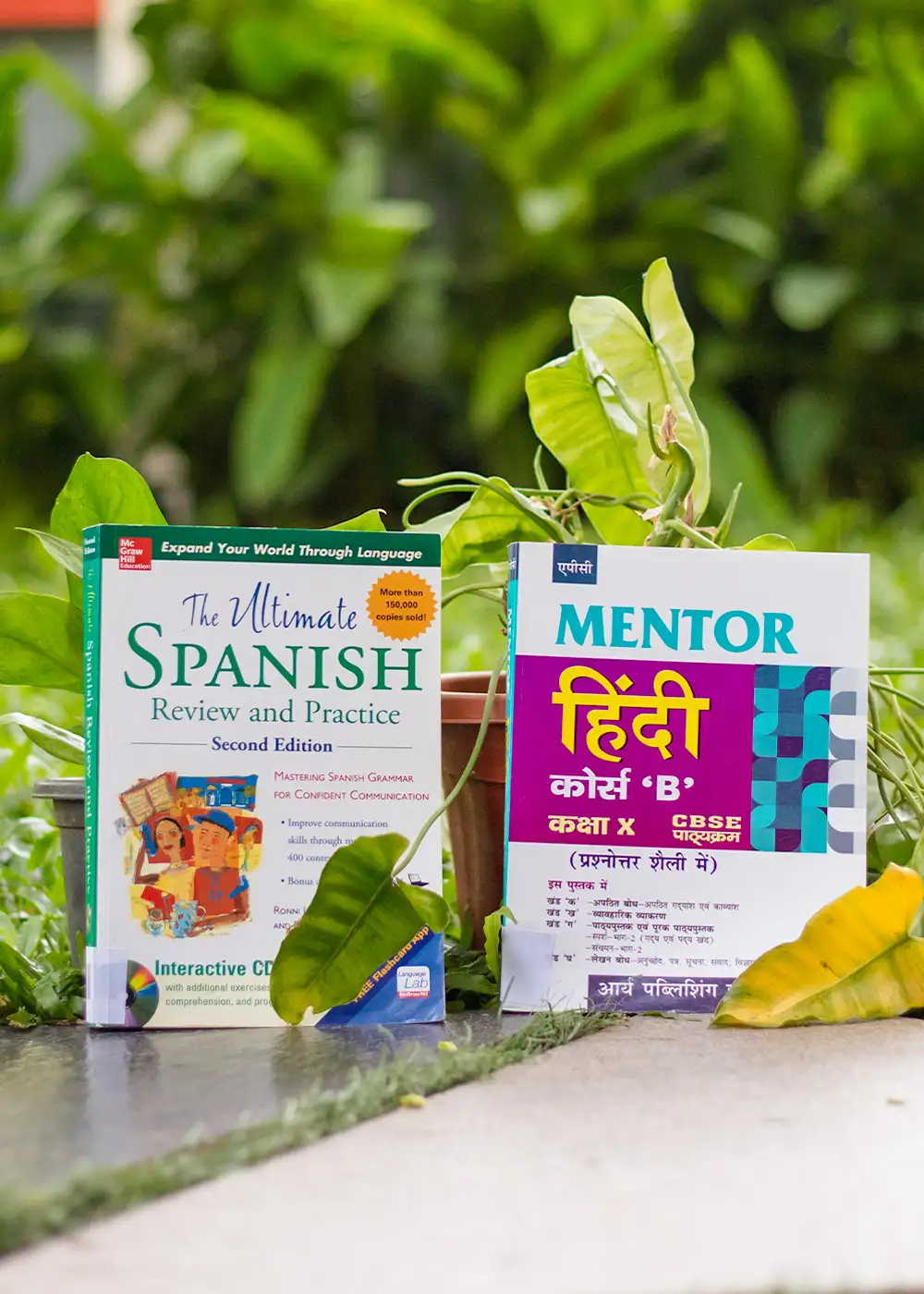
Hindi B HL/SL
Spanish ab initio SL
Business Management HL/SL
Economics HL/SL
History HL/SL
Psychology HL/SL
Biology HL/SL
Chemistry HL/SL
Physics HL/SL
Environmental Systems and Societies SL
Design & Technology
Analysis and Approaches HL/SL
Applications and Interpretation HL/SL
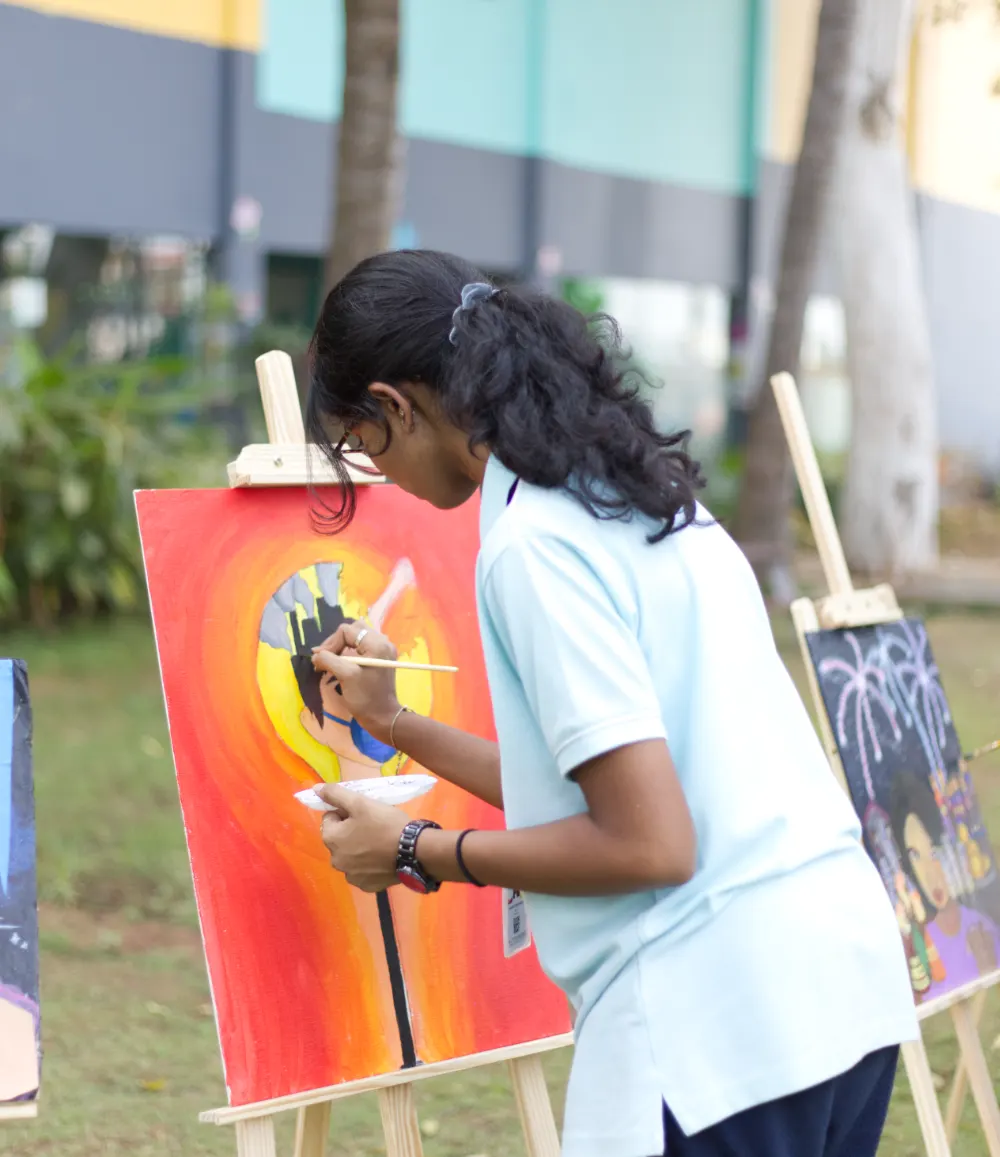
Visual Arts HL/SL
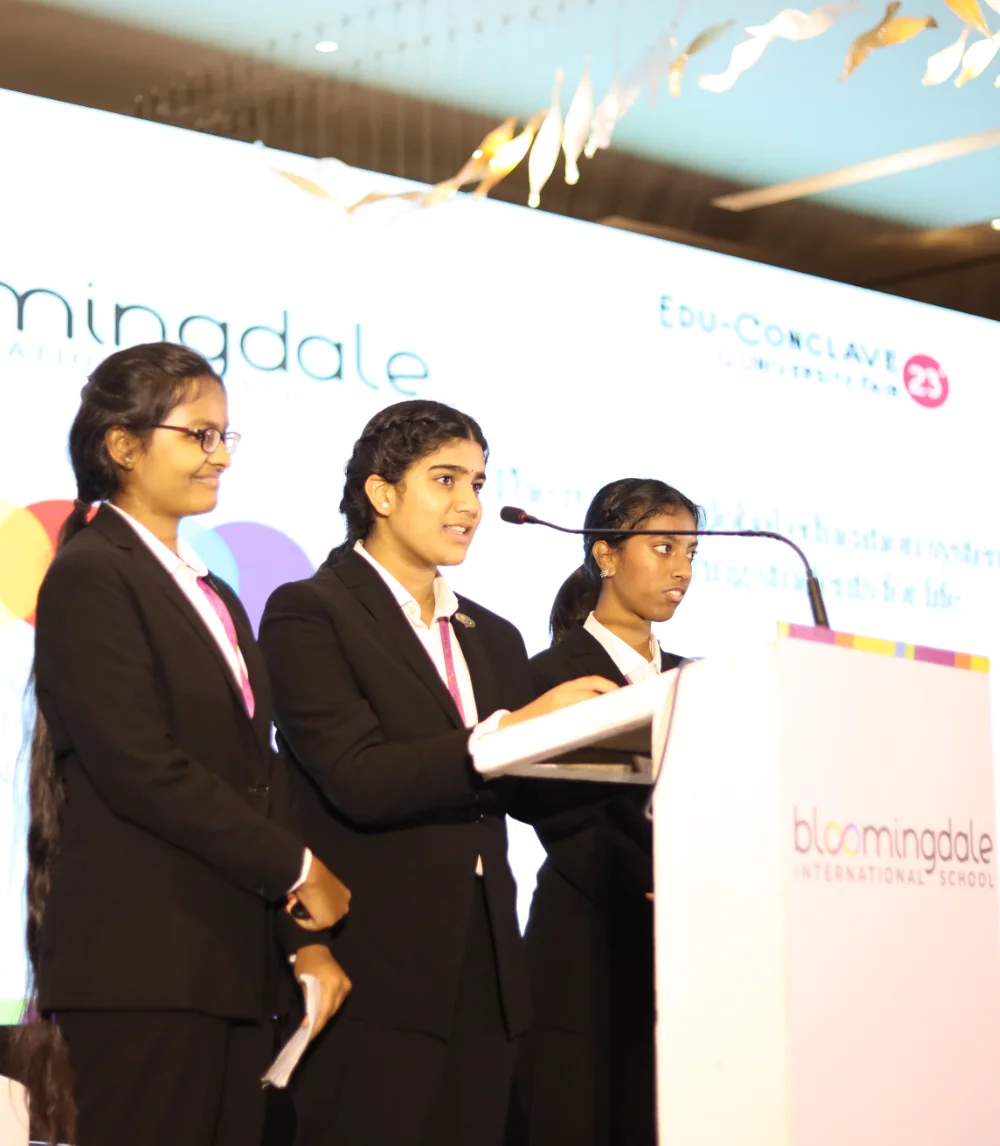


Even in these gloomy covid days, Bloomingdale kept the fire in children alive. Our heart felt thanks to the Management for bringing IB Curriculum to Vijayawada and maintaining the exceptional standards without compromising on the quality. Needs guts and passion to do this. Happy to see both our kids blooming in this school, where Management, Mentors and students are a Family.

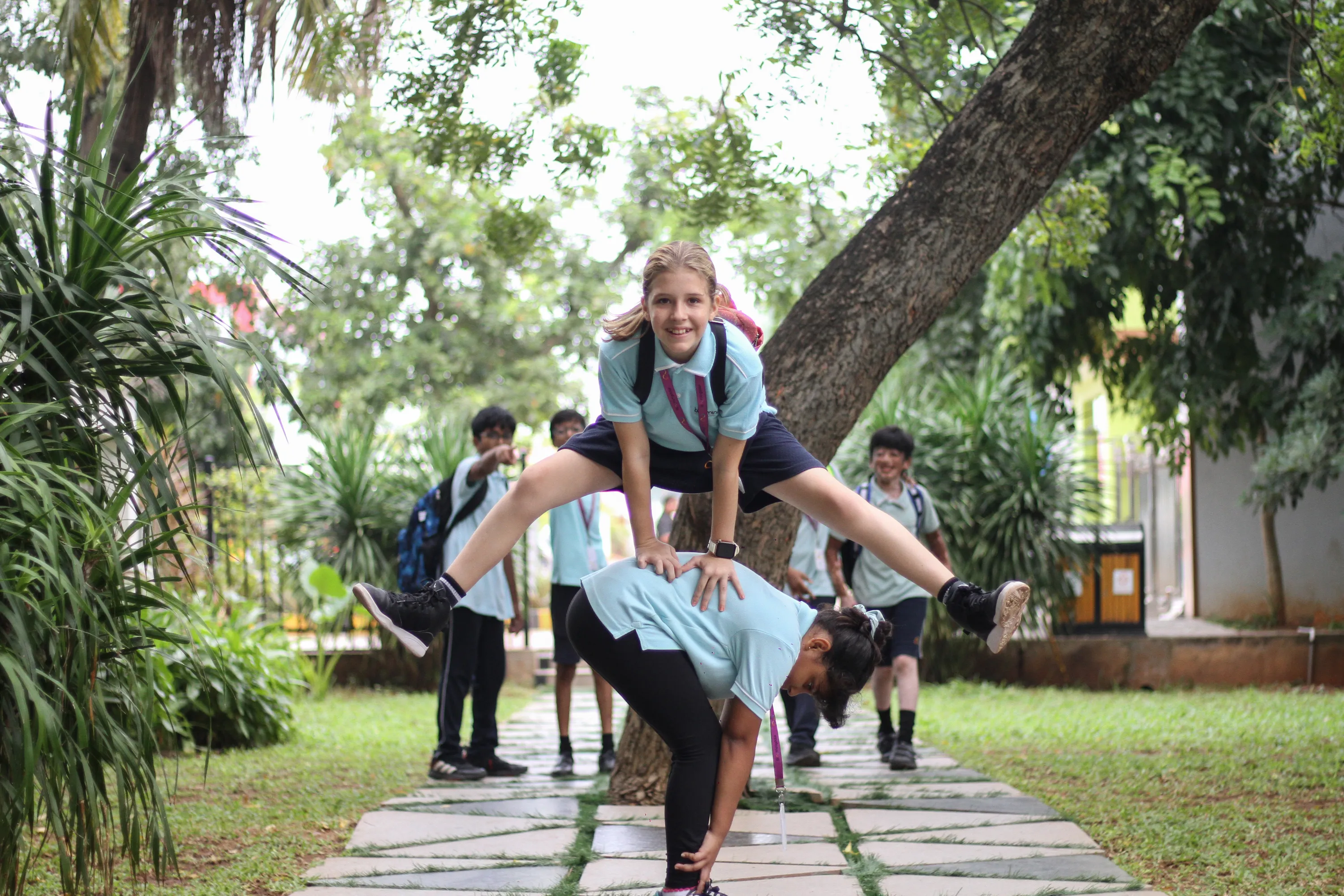
The IB MYP for Grades 6–10 builds the foundations that lead into the Diploma Programme.
Explore Middle Years Programme →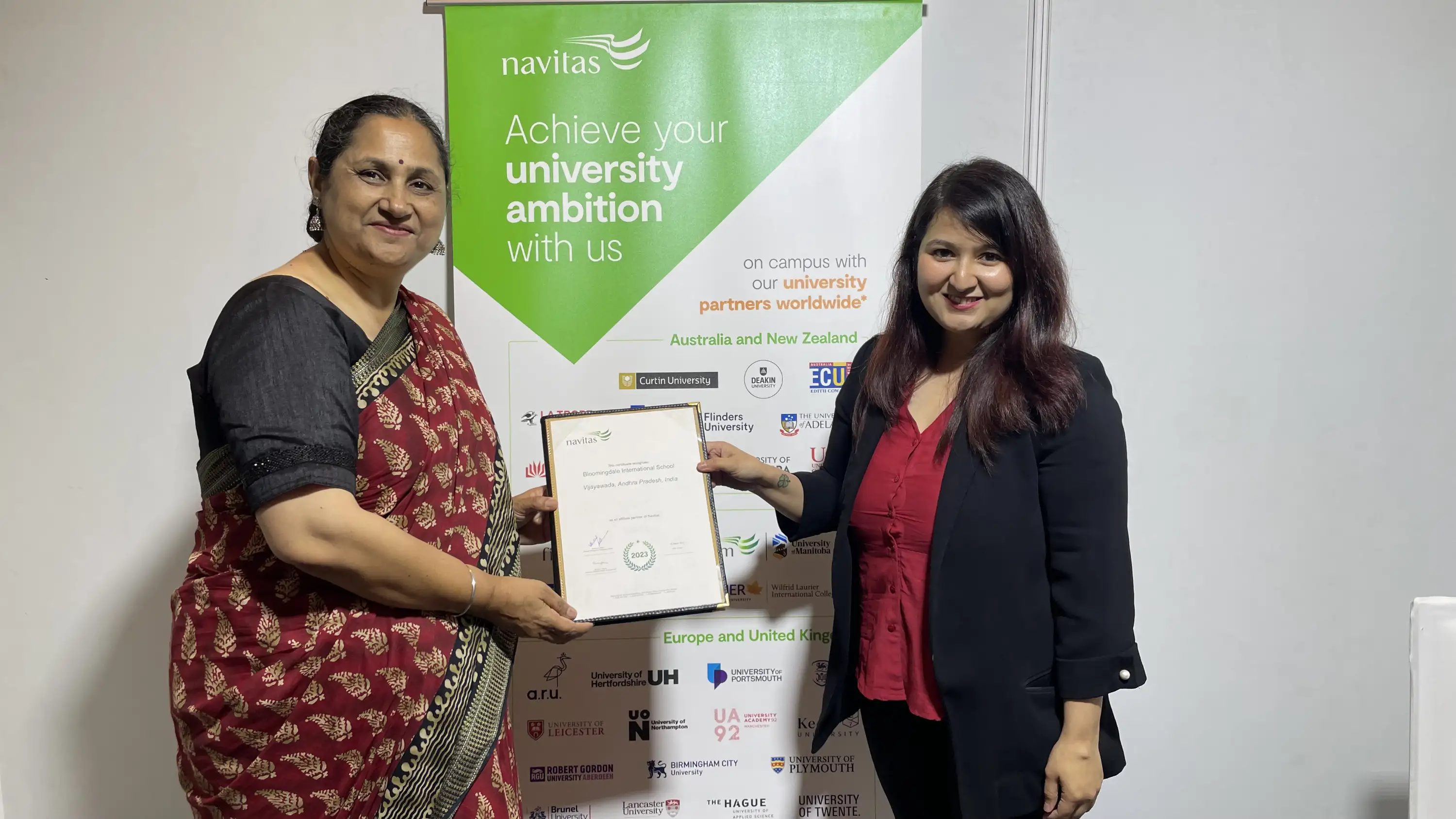
Dedicated support for DP students on university selection, applications and SAT/PSAT preparation.
Explore College Counselling →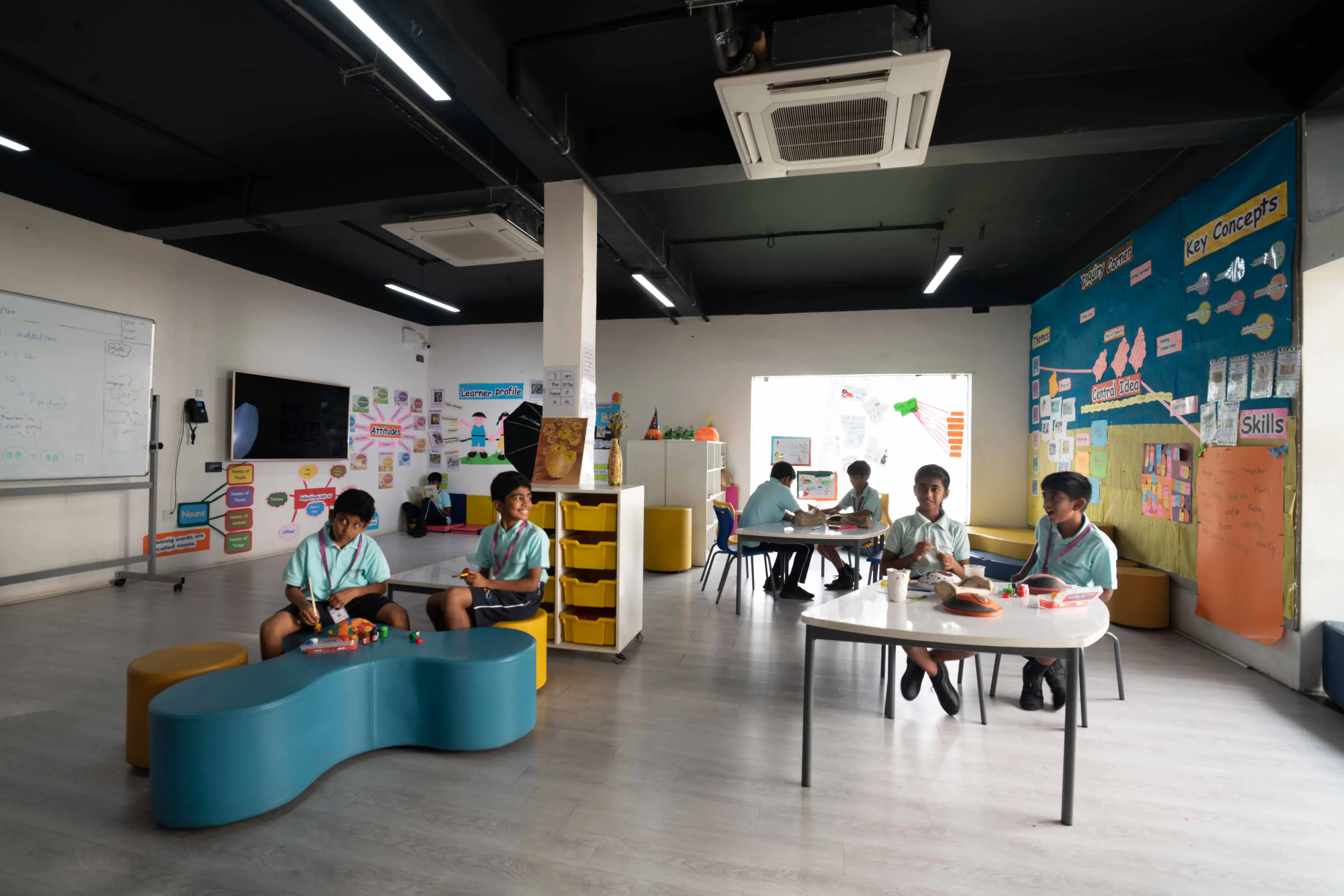
Explore the full range of academic programmes offered at Bloomingdale International School.
Explore Academics →
Students take written examinations at the end of the DP, which are marked by external IB examiners. Students also complete assessment tasks in the school, which are either initially marked by teachers and then moderated by external moderators or sent directly to external examiners.
The marks awarded for each course range from 1 (lowest) to 7 (highest). Students can also be awarded up to three additional points for their combined results on Theory of Knowledge and the Extended Essay. The Diploma is awarded to students who gain at least 24 points, subject to certain minimum levels of performance across the whole programme and to satisfactory participation in the Creativity, Action, Service requirement. The highest total that a DP student can be awarded is 45 points.
Enter your child’s date of birth to discover the key steps and relevant information about how to join us
Contacting us is the first stage of the admission process. To make an initial enquiry,
please contact us by phone at +91 9525525525
or you can fill out our online enquiry form.
After your enquiry, we will send you an information package and advise you if you have any
questions about our school.
Everything you need to know about the IB Diploma Programme at Bloomingdale.
The IB Diploma Programme (DP) is a rigorous, globally recognised two-year pre-university programme for students in Grades 11 and 12, typically aged 16 to 19. It leads to external IB examinations and is one of the most respected pre-university qualifications in the world, accepted by universities in India and internationally. The DP demands genuine commitment — it is academically challenging — but students of all ability levels who are determined can achieve the Diploma. The programme develops critical thinking, research skills, intercultural understanding, and a broad academic foundation across six subject groups.
DP students at BIS study one subject from each of the six IB subject groups. Group 1 (Language and Literature): English A HL/SL. Group 2 (Language Acquisition): Hindi B HL/SL or Spanish ab initio SL. Group 3 (Individuals and Societies): Business Management, Economics, History, or Psychology HL/SL. Group 4 (Sciences): Biology, Chemistry, Physics, Environmental Systems and Societies, or Design and Technology. Group 5 (Mathematics): Analysis and Approaches HL/SL or Applications and Interpretation HL/SL. Group 6 (Arts): Visual Arts HL/SL. Students choose three subjects at Higher Level (HL) and three at Standard Level (SL).
All DP students study six subjects — three at Higher Level and three at Standard Level. HL subjects involve more teaching hours and greater depth of content, making them suitable for students with a strong interest or aptitude in that area and for university courses that require it. SL subjects cover the core curriculum with less depth and fewer hours. Choosing the right combination of HL and SL subjects is an important part of university planning, and BIS's dedicated university counsellors guide each student through this decision based on their career direction and university requirements.
Each of the six DP subjects is graded on a scale of 1 (lowest) to 7 (highest), giving a maximum of 42 subject points. Students can earn up to 3 additional "bonus points" based on their combined performance in Theory of Knowledge and the Extended Essay, bringing the total possible score to 45 points. The IB Diploma is awarded to students who achieve a minimum of 24 points, subject to certain minimum performance thresholds across the programme and satisfactory completion of CAS. Written examinations are marked by external IB examiners, while some school-based assessments are moderated externally.
The Extended Essay is an independent, self-directed research paper of approximately 4,000 words, completed by all DP students. Students choose a topic of genuine interest within one of the IB subject areas, conduct original research, and write a formal academic essay — an experience that closely mirrors first-year university work. The EE develops the research, analytical, and academic writing skills that universities look for and that students will rely on throughout higher education. It is assessed externally and contributes to the bonus points alongside Theory of Knowledge.
Theory of Knowledge is a unique and compulsory component of the IB Diploma with no direct equivalent in other curricula. It is a philosophical course that asks students to reflect on the nature of knowledge itself — how we know what we know, what counts as evidence, and how knowledge differs across subjects and cultures. TOK develops students' ability to think critically, question assumptions, and engage with ideas at a deeper level. It is assessed through an exhibition and an essay, and contributes to the bonus points alongside the Extended Essay.
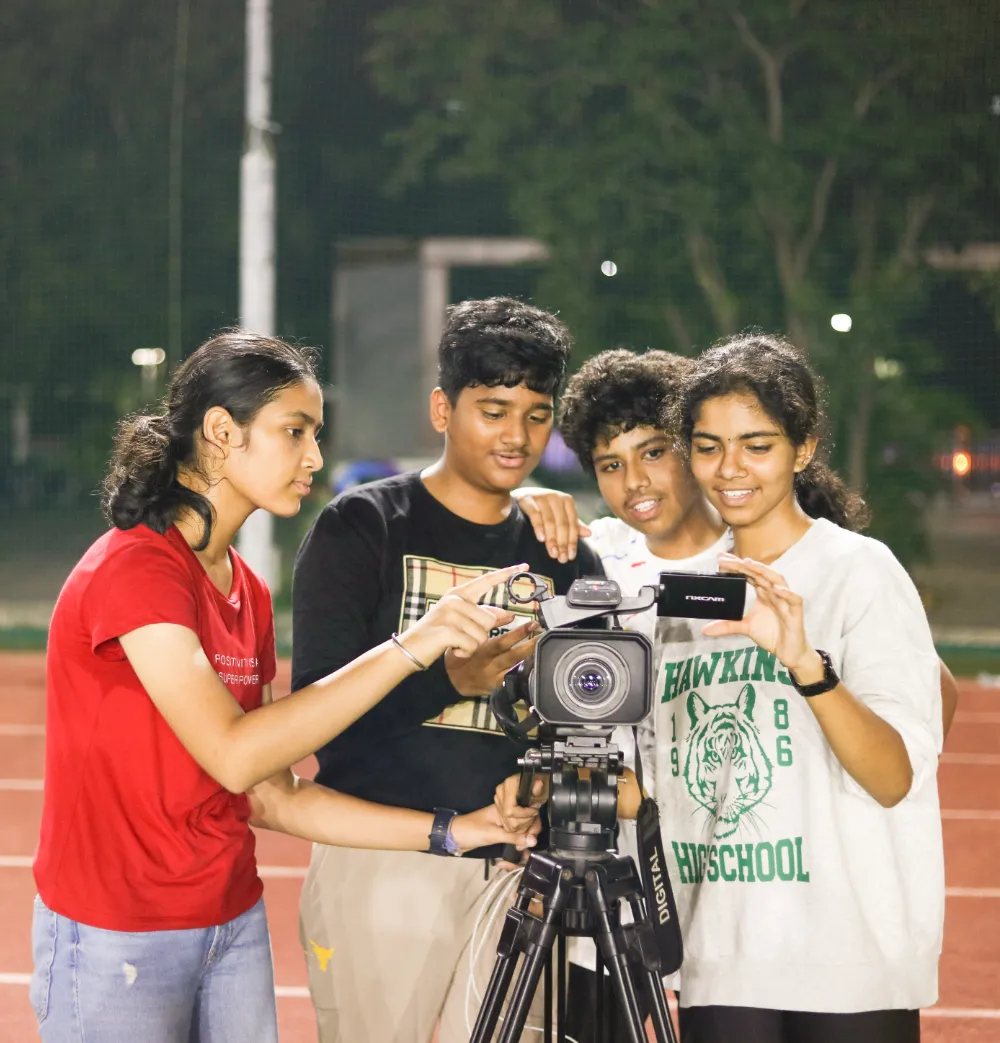
CAS is the third core component of the IB Diploma and is a requirement for all DP students. It involves real, hands-on engagement outside the classroom across three strands: Creativity (arts, design, and creative thinking), Activity (physical exercise and sports), and Service (meaningful community contribution). CAS is not a token requirement — students undertake genuine projects, reflect on their experiences, and demonstrate growth. At BIS, CAS activities are embedded into school life through clubs, sports programmes, community projects, and student-led initiatives.
BIS Diploma Programme students have achieved outstanding outcomes. SAT scores consistently reach 1260 and above out of 1600, demonstrating strong academic preparation. Students gain admission to leading universities in India and globally — including institutions in the USA, UK, and Canada. BIS students collectively receive international scholarships exceeding USD 440,000 annually, reflecting the recognition of their academic excellence and holistic profiles by universities worldwide. These results come not from coaching or pressure, but from genuine deep learning.
Absolutely. A common misconception is that the IB Diploma is only for students going abroad. In reality, over 51% of IB graduates in India pursue higher education within the country. The IB Diploma is widely recognised by all major Indian universities. It also excellently prepares students for Indian entrance exams by developing strong reasoning and analytical skills. BIS is additionally the only school in Andhra Pradesh with UCAS (UK Universities and Colleges Admissions Service) affiliation, giving students who do wish to apply to UK universities direct access without additional qualifications.
BIS has a dedicated, full-time, in-house University and Career Counselling cell — the first of its kind in the region. From Grade 11, students receive individual counselling sessions, university profile development, application strategy and essay coaching, college exploration, scholarship and financial aid guidance, and interview preparation. By graduation, students have a clear university direction, a strong application, and in many cases, international scholarship offers. The counselling is built on genuine understanding of each student's strengths and aspirations — not a generic template.